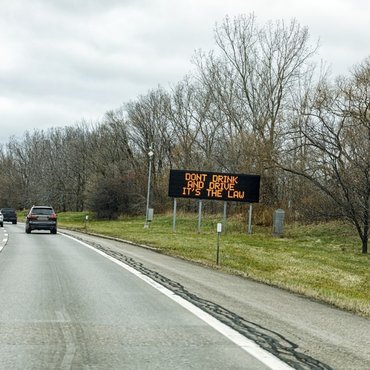
If Texas police arrest you for impaired driving when you have a child passenger in the vehicle, the misdemeanor offence is automatically elevated to a felony that carries a mandatory minimum 180-day prison sentence, fines up to $10,000, lengthy license suspension, and other potential penalties. From what the Greater Toronto Area lawyers of Mass Tsang understand, Texas has the harshest penalties in the world for those convicted of impaired driving with a child in the car.
We’re not in Texas, but you might wonder how having a child in the car affects those
arrested for DUI in Canada
. Is it a distinct offence? Can a DUI be elevated because of a child in the car? How does a child in the car affect DUI sentencing in Ontario? Essentially, what is the impact of children in vehicles in DUI cases in Canada?
Based on federal and provincial laws, the consequences of driving impaired with a child in the car are not as cut and dry as they are in Texas. The Criminal Code of Canada does not have a provision prohibiting driving while impaired with a child in the car, nor do provincial laws. Instead, the Code and some provinces consider the presence of a child in an impaired driver’s vehicle an aggravating factor for sentencing purposes. Let’s take a closer look at how this works.
Key Takeaways
-
The government severely punishes impaired driving due to its inherent risk to public safety.
-
Passengers under age 16 in an impaired driver’s vehicle are considered especially vulnerable to potential harm.
-
Federal and provincial laws do not outright prohibit impaired driving with child passengers.
-
Instead, the law treats impaired driving with children as an aggravating circumstance that may warrant harsher punishment.
-
The legal experts at Mass Tsang are highly adept at helping their clients navigate the nuances of aggravating factors.
How the Criminal Code Addresses Impaired Driving with Children in the Car
Section 320.22 Criminal Code lists getting a DUI with a passenger under age 16 in Canada as one of seven aggravating factors courts must consider when determining an appropriate sentence for those convicted of impaired driving. As an aggravating factor in DUIs, a child’s presence in the car typically leads to harsher penalties for the offender.
However, assessing aggravating circumstances in DUI cases is highly subjective, with judges having wide discretion to determine the weight it should carry in punishing the offender. Impaired driving is inherently dangerous to public safety at large, but poses a more distinct risk to those in the vehicle with an impaired driver. Because children are viewed as a more vulnerable population than adults, their inclusion as an aggravating factor is designed to amplify the culpability of the impaired driver’s actions.
Potential Legal Consequences of Having a Child in the Car While Impaired
As noted, court consideration of the presence of a child in the vehicle driven by an impaired driver is highly subjective, with legal consequences varying widely on a case-by-case basis. A first-time offender with no other aggravating factors and a perceived limited risk of reoffending might skate by upon conviction, with minimal or no enhanced punishment. On the other hand, a repeat offender with multiple aggravating factors is likely to face a greater risk of receiving enhanced penalties, such as lengthy incarceration, higher fines, and extended driving prohibitions. From a jurisdictional perspective, if a child passenger has recently been injured or killed in an impaired driving accident, the local courts will likely be more attuned to taking a hard line against others who drive while impaired with children.
In short, the potential consequences to DUI offenders facing this aggravating factor include:
-
Greater difficulty securing pre-trial release (bail) or lenient release conditions.
-
Increased likelihood that the Crown will elect to prosecute the offence as indictable (with its harsher punishment range) rather than by the more lenient summary conviction.
-
Increased risk of incarceration.
-
Extended driving prohibitions.
-
Expanded ignition interlock requirements upon license reinstatement.
-
Stricter conditional sentence terms.
-
Higher fines.
Impaired Driving with a Child May Spur Child Protection Agency Involvement
The Criminal Code and Ontario laws do not require the police to automatically notify the Children’s Aid Society if they arrest an impaired driver with a child in the vehicle. However, they may do so if they feel the driver’s actions suggest that the child may need protection under the Province’s
Child, Youth and Family Services Act
. Among other things, this legislation requires anyone who has reasonable grounds to suspect that a child under 16 may need protection to report their concerns to a child protection or welfare service. Protective situations referenced in law include those that:
-
Put the child at risk of physical harm.
-
Represent neglect or failure to adequately care for or supervise a child.
-
Expose the child to circumstances that could endanger the child’s safety or well-being.
Given that impaired driving applies to the first and third referenced situations, police will generally report the situation to child protective services based on their subjective assessment of the risk posed to the child by the driver’s actions. An officer’s risk assessment typically addresses the child’s age, the degree of the driver’s intoxication, the ability to transfer the child’s care to a sober caregiver, and any other aggravating factors related to the impaired-driving incident (such as a traffic accident).
Note also that a driver arrested for DUI with a child in the car may face subsequent complications if they are embroiled in any family law situations involving children. The DUI arrest and conviction can negatively impact relevant child custody or sharing arrangements, or otherwise put restrictions on how the offender can interact with their children.
Other Aggravating Factors That Can Enhance Penalties in DUI Convictions
In addition to having a child under 16 in the vehicle, Section 320.22 of the Criminal Code lists six other aggravating factors that courts are required to consider in their sentencing decisions. They are:
-
The driver’s impairment resulted in bodily harm or death to one or more people.
-
The driver’s blood alcohol concentration equaled or exceeded 120 mg of alcohol in 100 mL of blood.
-
The driver was racing another vehicle during the commission of the DUI offence.
-
The offender was operating a “large” motor vehicle.
-
The driver was getting paid to drive the vehicle.
-
Federal or provincial laws prohibited the driver from operating a vehicle at the time of the offence.
Greater Toronto Area
Those facing impaired driving charges in Canada typically face significant challenges navigating the law and legal system as their case proceeds to trial. Such challenges are typically amplified when the DUI charges include aggravating factors that can lead to harsher punishment.
Mass Tsang’s highly skilled criminal defence
DUI lawyers
have been successfully navigating their Greater Toronto Area clients towards favourable case outcomes for decades. With in-depth working knowledge of the law and legal procedures, they know how to strategize the most effective defences and how to mitigate the potential impacts of aggravating factors in their clients’ cases.
If you’re facing impaired driving charges, don’t try to fight the charges on your own. Contact the DUI experts at Mass Tsang for a confidential consultation.
Frequently Asked Questions About DUI with a Child in the Car
Q: Is it illegal to drive after drinking with a child in the car?
A:
No Canadian laws specifically criminalize driving after drinking with a child in the car. However, federal criminal law lists the presence of passengers under the age of 16 as an aggravating factor to enhance penalties for those convicted of impaired driving. Some provincial laws also enhance penalties for DUI, as well as penalties for warn range 0.05-0.079% administrative impaired driving charges.
Q: Does a child in the car increase DUI penalties in Ontario?
A:
The federal Criminal Code considers passengers under the age of 16 in vehicles driven by convicted impaired drivers as an aggravating factor that can lead to enhanced penalties. However, Ontario does not have any distinct laws that enhance penalties for DUI or 0.05-0.079% warn range administrative impaired driving charges.
Q: Can the Crown treat underage passengers as an aggravated offence?
A:
Section 320.22 of the Criminal Code lists having a passenger under the age of 16 as one of seven aggravating factors courts should consider when imposing sentencing on those convicted of DUI.
Q: How does the court assess risk to children during impairment?
A:
Canadian courts are encouraged to address the presence of a child under 16 in the vehicle of a convicted impaired driver as an aggravating factor deserving of harsher sentencing, even if the child was never under any obvious danger. Courts can broaden the aggravating factor’s impact on sentencing depending on:
-
The number of underage children present.
-
The children’s age.
-
The children’s relationship to the offender.
-
The recklessness of any driving behaviours.
Q: Can the presence of an underage child in the vehicle of an impaired driver affect bail conditions or custody orders?
A:
Most first-time DUI offenders are released on recognizance or with minimal conditions. However, repeat offenders and those arrested in cases involving aggravating factors typically warrant closer scrutiny in pre-trial release decision-making. Bail decisions are discretionary and case-specific, making their application difficult to predict in advance. That said, the more aggravating factors involved in an impaired driving arrest, the more likely that the police/Crown will impose release conditions or seek a bail hearing. For example, if arrested for DUI causing an accident and having a child in the car, a driver would almost certainly face a bail hearing and/or release conditions.
Q: What defences can be raised if an underage child was in the car of a convicted impaired driver?
A:
Once convicted of DUI, a driver has little recourse to raise a defence about a child’s presence in the vehicle. However, a defence lawyer can strive to contextualize the circumstances in a more positive light and/or highlight mitigating factors to counterbalance the aggravating nature of having a child in the car.