Breathalyzer test results are the most critical evidence the Crown uses to secure convictions in Canadian DUI cases that hinge upon blood alcohol concentrations (BAC). According to the Criminal Code, Canadian courts are required to treat breathalyzer readings as “conclusive proof” of a driver’s BAC, with levels over 80 mg of alcohol in 100 mL of blood serving as the threshold needed for conviction.
However, breathalyzer devices, such as the infrared spectrometry-based unit “Intoxilyzer” used by most Canadian police services, are not infallible, nor are the police officers and technicians responsible for following the technical breathalyzer calibration procedures required by the Criminal Code.
Thus, if there is any hint of Intoxilyzer calibration problems, defense lawyers strive to challenge them to secure case dismissals, withdrawals, stays, acquittals, reduced charges, or other favourable outcomes.
Key Takeaways
-
Breathalyzer test results are the most crucial evidence the Crown uses to secure convictions in Canadian DUI cases involving blood-alcohol concentrations.
-
The onus is on police departments to ensure that breathalyzer machines are properly maintained and calibrated.
-
Police failure to follow Criminal Code technical and procedural protocols can render breathalyzer evidence as flawed, leading to case dismissals and other favourable outcomes.
-
DUI defence lawyers frequently challenge BAC breath tests in Canada.
The Difference Between Roadside Screening and Breathalyzer Testing
The first thing to know about breathalyzers is that there are distinct differences between the devices and procedures used during roadside screening and at the police station.
Section 320.27
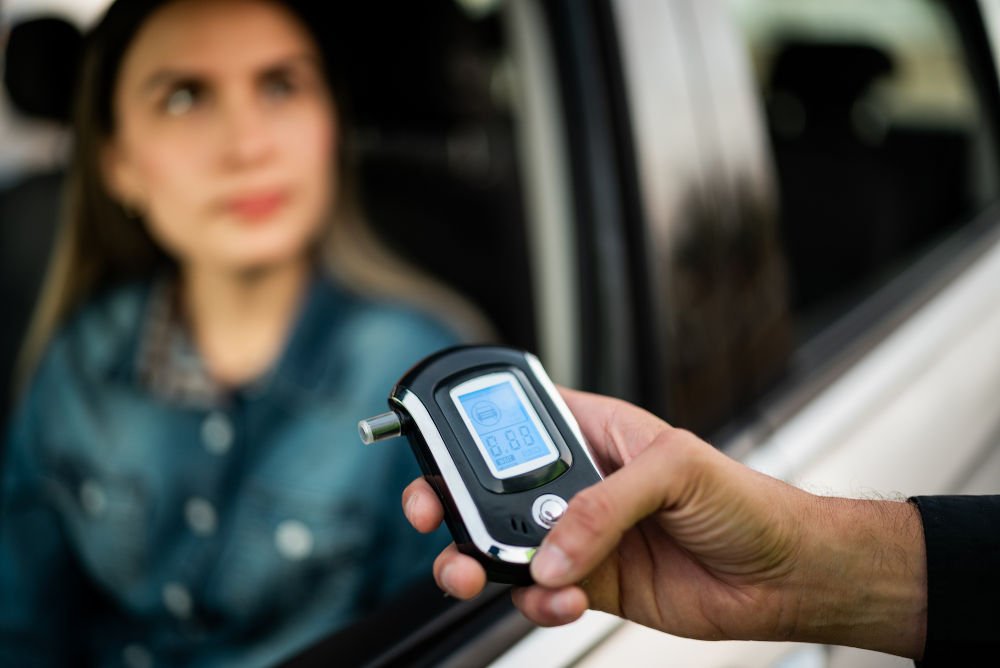
of the Criminal Code authorizes police to stop and screen any driver for potential alcohol impairment with an approved screening device (ASD). These roadside screening devices are not as accurate as in-station Intoxilyzer-type ones, and their results cannot be used as evidence in court. Instead, ASDs are used to determine whether a driver should undergo further testing with an in-station breathalyzer machine.
Drivers do not have the right to consult with a lawyer before undergoing roadside ASD screening, and
refusing a breath test
is a Criminal Code offence that carries similar penalties to a standard DUI charge. Drivers who pass ASD screening with a reading below 0.05% BAC are typically allowed to continue their journey, while those who register fail readings above 0.08% are arrested for DUI and taken to the police station for breathalyzer testing. While federal law does not allow this DUI breath-test admissibility, Ontario law allows ASD readings between 0.05% and 0.079% (the warning range) to be used to impose administrative penalties, including include fines, short-term license suspensions, vehicle impoundment, and other sanctions.
How Breathalyzer Testing Works in Practice
If brought to the police station for breathalyzer testing, the first thing you should know is that you have the constitutional right to consult with a lawyer before undergoing the testing. However, you do not have the legal right to refuse to blow into the breathalyzer subsequently. If you fail to undergo breathalyzer testing, police will charge you with refusing to comply with mandatory breath testing, which carries similar penalties as a standard DUI.
Section 320.31 of the Code requires breathalyzer-certified police to conduct calibration exercises before a driver undergoes breathalyzer testing. These include:
-
Conducting a system blank test on not more than 10 mg of alcohol in 100 mL of blood.
-
Conducting a system calibration test that produces results that land within 10% of the target value of a certified alcohol standard.
After calibration and a 15-minute driver observation period, the police breathalyzer technician conducts the first breath test in which the driver is required to blow into the machine’s mouthpiece with a long, consistent exhale of at least six to 10 seconds. This exhalation is designed to capture breath from the lungs rather than the mouth, and the breathalyzer’s testing chamber uses infrared spectrometry to measure the ethanol concentration in the sample. The breath ethanol amount is then used to calculate the equivalent BAC.
The Code requires police to secure a second breath sample after a 15-minute interval following the successful collection of a first sample. The lowest BAC reading of the two samples is allowed to be introduced as Crown evidence to prove impairment. However, the two test results cannot differ by more than 20 mg of alcohol in 100 mL of blood.
DUI Breathalyzer Inaccuracies Ontario DUI Lawyers Strive to Expose
As noted, breathalyzer machines and their technicians are not infallible, and DUI defence lawyers strive to expose technical and procedural problems that can raise reasonable doubts about the veracity of the breath evidence. When successful, such challenges often lead the court to exclude the evidence, which can result in dismissed charges and other favourable outcomes. Typical defence challenges to breathalyzer testing include:
-
Procedural issues — did the police technician follow Criminal Code device calibration and timing protocols?
-
Technician errors — did the technician conduct the breath testing correctly?
-
Charter issues — Did the police grant the driver the right to consult with a lawyer in private before testing, and inform the driver of this right?
-
Breathalyzer maintenance issues — see below.
Challenging Breathalyzer Maintenance Records in DUI Cases
By examining breathalyzer maintenance records, a
DUI lawyer
may be able to expose historic device malfunctions that call into question the accuracy of the device’s BAC results. However, such maintenance records are not automatically included as part of the Crown’s disclosure of breathalyzer data, which
Section 320.34
of the Code sets out as:
-
Blank testing results
-
Calibration testing results
-
Breath testing results
-
Error or exception messages produced by the instrument during the breathalyzer administration
-
Calibration certificate signed by the breathalyzer technician
The defense can petition the court for such disclosure, provided it can prove in a hearing that the maintenance records have relevance in “determining whether the approved instrument was in proper working order.”
Greater Toronto Area Breathalyzer Legal Experts: Mass Tsang
The Greater Toronto Area DUI defence lawyers at Mass Tsang have an exceptional record of successfully challenging breathalyzer results. Their legal team is highly adept at uncovering technical and procedural errors in breathalyzer testing, resulting in numerous case dismissals for their clients. To learn how these legal experts can strategize a solid defence against your DUI charges, schedule a free consultation by
contacting us
today.
Frequently Asked Questions About Breathalyzer Calibration in Ontario
Q: What is breathalyzer calibration, and why does it matter in a DUI case?
A:
Breathalyzer calibration verifies the device’s accuracy by testing a certified alcohol standard sample, with the device required to deliver results within a 10% range of the target value. Proper calibration is crucial in DUI cases because it supports breathalyzer results as being conclusive evidence of a driver’s blood alcohol concentration at the time of testing.
Q: Can you get a DUI dismissed because of a faulty breathalyzer?
A:
Absolutely.
Section 320.16
of the Criminal Code does not allow courts to consider breathalyzer readings as “conclusive proof” of blood alcohol concentrations if the defence can prove that the device has not been properly calibrated or maintained.
Q: How do police maintain and calibrate breath testing devices in Ontario?
A:
Ontario Police follow Criminal Code and Canadian Society of Forensic Science Alcohol Test Committee standards in maintaining and calibrating their breath testing devices. In-station breathalyzer machines undergo calibration checks using an approved alcohol standard before each breathalyzer test of an impaired-driving suspect. Police calibrate approved roadside screening devices every 14 to 31 days, depending on the manufacturer’s recommendations and required standards.
Q: What is the DUI margin of error in breathalyzer tests?
A:
The Criminal Code requires breathalyzer calibration testing to come within 10% of the certified alcohol test subject target value. During actual breathalyzer testing, the driver’s duplicate breath samples must agree within a 20 mg/100 mL range.
Q: Can medical conditions affect breathalyzer results?
A:
Diabetes, gastroesophageal reflux disease, and asthma can affect breathalyzer results, and skilled DUI lawyers have successfully challenged breathalyzer results affected by these conditions.
Q: What documents prove a breathalyzer was out of calibration?
A:
Documentary evidence that may help prove that a breathalyzer was improperly calibrated includes:
-
Pre-test calibration checks that fail to meet the 10% target threshold.
-
Instrument test printout showing error messages or excessive variances in testing of duplicate samples.
-
Records that indicate failures to conduct repairs or missed maintenance protocols, or that display inconsistent results during the device’s historic usage.
-
The lack of certification by a qualified technician.
Q: How long must police retain breathalyzer maintenance records?
A:
While there are no Criminal Code or provincial mandates for retaining breathalyzer maintenance records, most police agencies retain such records for at least five years after the decommissioning of a device.