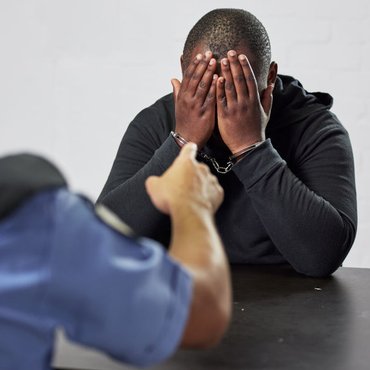
Being falsely accused of domestic assault can change your life immediately, even before a court decides what actually happened. People are often removed from the home, placed under no-contact conditions, and forced to deal with employment, parenting, and reputation problems almost at once. That is part of why these cases feel so overwhelming.
If you are facing a domestic-assault allegation you say is false or seriously distorted, the first priority is not proving everything instantly. It is protecting your rights, preserving evidence, and avoiding the mistakes that make a difficult file even harder to defend.
Key Takeaways
-
There is no separate
Criminal Code
offence called "domestic assault"; the domestic context affects how an assault case is handled.
-
You should not speak to police about the allegation without legal advice first.
-
Do not contact the complainant directly or indirectly, especially if release conditions are in place.
-
Preserve texts, call logs, emails, social messages, photos, and timeline evidence immediately.
-
Domestic cases often move quickly into release conditions, removal-from-home issues, and strict no-contact rules.
-
A knowingly false report can sometimes lead to a public-mischief charge, but only where intent to mislead can actually be proved.
-
The realistic first goal is protecting your own case; accountability for a false accuser is a separate and much less automatic question.
What Domestic Assault Means in Canadian Law
"Domestic assault" is not a separate offence under the
Criminal Code
. In legal terms, the underlying charge is still one of the assault offences, usually beginning with the definition in
section 265
.
What changes is the context. When the allegation involves a spouse, ex-partner, dating partner, or another intimate relationship, police, release decisions, and sentencing analysis often treat the case differently. If there is a conviction, abuse of an intimate partner is an aggravating factor under
section 718.2(a)(ii)
.
That is why a domestic allegation often leads to stricter conditions and more immediate disruption than a similar allegation involving strangers.
What to Do First If You Are Falsely Accused
False-accusation cases are often won or lost in the first days, not because the truth changes, but because evidence disappears, emotions take over, and people make avoidable mistakes.
1. Do not give a statement to police without legal advice
Even a truthful explanation can be incomplete, poorly timed, or framed in a way that harms you later. If police contact you, it is usually better to get advice before trying to "clear things up" yourself.
This includes texting, calling, emailing, using friends or family as go-betweens, or responding to an unexpected message from the complainant. In domestic files, contact can be interpreted as pressure, interference, or a release breach even if your intentions were innocent.
3. Preserve all communications and timeline evidence
Save and organize:
-
text messages and call logs
-
emails and social-media messages
-
photos and videos
-
location history, rideshare receipts, work records, or calendar entries
-
names of witnesses and what they may have seen or heard
These cases often turn on credibility and sequence. Objective records matter.
4. Write down your own timeline early
Record what happened before, during, and after the alleged incident while the details are still fresh. That includes arguments, witnesses, previous communications, and any event that may explain motive, timing, or inconsistency.
5. Follow every release condition exactly
If you are released on conditions, comply with them strictly. A breach can become a separate criminal problem and can damage your position even if the original allegation is weak.
Why Domestic Cases Feel Different From Other Assault Files
Domestic files often involve more than the criminal allegation itself. People may be told not to return home, not to contact children through the other parent, or not to attend familiar places. This can happen before the evidence is fully tested in court.
In practice, that means a false allegation can still cause:
-
temporary separation from the home
-
no-contact and non-attendance conditions
-
parenting or access complications
-
job and scheduling problems
-
pressure to say something quickly just to restore normal life
That pressure is exactly why early measured decisions matter.
If release becomes an issue, a
bail hearing lawyer
may be needed quickly. For the broader domestic-resolution question, see
how to get domestic assault charges dropped in Ontario
.
Evidence That Helps in False Domestic-Assault Cases
In many domestic files, there is no neutral witness to the full event. As a result, the case may depend heavily on credibility, consistency, and whether objective records support or undermine the allegation.
Helpful evidence often includes:
-
communications before and after the event
-
evidence that contradicts the alleged timeline
-
messages showing the relationship context
-
witness accounts about injuries, demeanour, or location
-
photos, video, or doorbell / building footage
-
disclosure that reveals inconsistencies between versions
The point is not to build a dramatic narrative. It is to preserve ordinary records before they are deleted, lost, or forgotten.
Can Someone Be Charged for Making a False Domestic-Assault Report?
Sometimes, yes — but not just because the accused says the allegation is false.
The most common offence discussed in this context is
public mischief
under
section 140
. The law requires more than a weak or unproven complaint. It applies where someone,
with intent to mislead
, causes police to begin or continue an investigation by making a false accusation or report.
That is an important distinction. The legal system does
not
treat these situations as identical:
-
a complaint that cannot be proved
-
a complaint that may be mistaken or inconsistent
-
a complaint that is knowingly fabricated
Only the third category raises the public-mischief issue in a direct way.
Other offences can sometimes be discussed depending on the conduct, such as perjury or obstruction, but those are not automatic outcomes. An acquittal in the accused person's case does
not
automatically mean the complainant will be charged.
Why the First Goal Is Defending Your Own Case
People understandably want to know whether the person who accused them will face consequences. But in practical terms, the first and most important objective is to protect the accused person's own position:
-
avoid saying something damaging to police
-
avoid a breach
-
preserve evidence before it disappears
-
identify inconsistencies through disclosure
-
build a defence based on records rather than emotion
If the evidence later shows a knowingly false report, that separate accountability question can be assessed on its own facts.
How a Defence Lawyer Can Help
False domestic-assault cases require more than simply denying the allegation. A lawyer can help by:
-
communicating with police and the Crown at the right stage
-
reviewing release conditions and seeking changes where appropriate
-
preserving and organizing digital evidence
-
testing the complainant's timeline and credibility through disclosure
-
identifying whether the case is weak enough for withdrawal, resolution, or trial defence
The right response depends on the facts of the file, the relationship context, and the available evidence. If you are dealing with a domestic allegation in the GTA, early advice from
domestic assault defence lawyers
can help you avoid mistakes that are hard to undo later.
For the wider assault-process overview, see
Charged with Assault in Ontario? Here's Your Comprehensive Guide
.
A false or distorted domestic allegation can affect your housing, family life, and freedom almost immediately. The key is to respond carefully: get legal advice, preserve evidence, avoid contact, and follow conditions exactly while the case is being tested.