What To Do If You Get Pulled Over by the Police in Ontario
Rate this article
2
votes —
5.0
Updated:
2 months ago
Views:
844
Overview:
Getting pulled over by the police in Ontario can be a nerve-racking experience.
However, it doesn’t have to be, and the traffic ticket lawyers of the Greater Toronto Area have some tips on what you should do if you get pulled over by Ontario Police.
Mass Tsang traffic lawyers also provide answers to the most frequently asked questions about traffic stops they hear from their Ontario clients.
If charged with a moving violation in the Greater Toronto Area, know that Mass Tsang traffic ticket lawyers have a stellar reputation for helping their clients beat the charges.
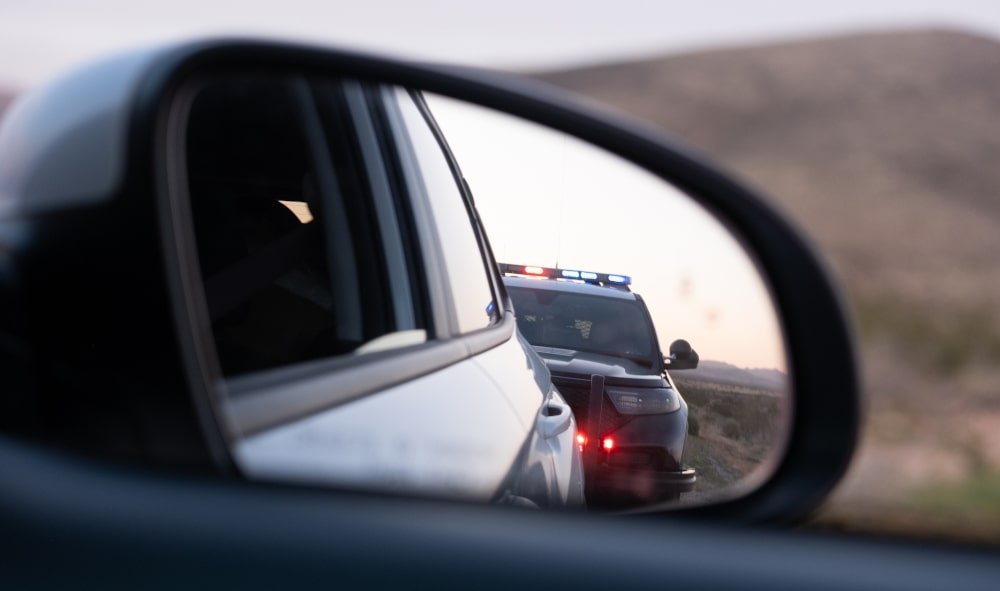
No one wants to see flashing blue lights in their rear-view mirror, and most drivers who get pulled over by police for the first time are surprised by how apprehensive they feel during the experience.
“Getting pulled over by cops can be a nerve-racking experience,”
says
Jeff Mass
, co-managing partner of the Greater Toronto Area’s Mass Tsang law firm.
“However, if you’re a
responsible driver
, there’s really nothing to be concerned about, and you’ll likely soon be on your way.”
Jeff’s co-managing Mass Tsang partner,
Robbie Tsang
, says,
“If you think that you’re nervous about being pulled over by the police, consider that it’s stressful for them, too. They don’t know who you are, and some traffic stops lead to dangerous encounters with violent criminals. Thus, to help ease the stress of police stops for both you and the officer, we’ve put together the following pointers on what to do if police pull you over, along with some answers to the most frequently asked questions about the topic.”
Step-by-Step What to Do If You’re Pulled Over by Ontario Police
Upon seeing flashing blue lights, slow down and start looking for a safe place to pull over.
If you’re having trouble finding a safe spot, slow down further and activate your emergency flashers.
Once stopped, turn off your engine, and remain in your vehicle.
If it’s nighttime, turn on your overhead interior light to help the officer see inside the vehicle, which can reduce their potential stress.
Refrain from making too many movements within the vehicle, as it may suggest that you’re hiding contraband or seeking a weapon.
Roll your window down far enough to provide the officer with a decent view into the car and allow for clear communications.
While you have the right to remain silent, your encounter with the officer will likely go more smoothly if you are polite and respectful. Thus, greet the officer, identify yourself, and answer any questions that have no relevance to the reason for the stop. From a legal standpoint, do not reveal any information that might incriminate you for any offences. For example, don’t say, “Yes, I was going over the speed limit, but it was only six miles over.”
If you disagree with any allegations made by the officer about the reasons for the stop, do not argue with them.
If you or a passenger has a legitimate reason to exit the vehicle while pulled over, ask for permission.
If an officer asks you to exit the vehicle, comply with that request and cooperate with any other reasonable directives.
Should the officer demand that you undergo roadside alcohol or drug screening, know that the penalties for refusing are the same as for a DUI if convicted.
What to Do When Pulled Over by Ontario Police
Do This
Why It Matters
Pull over safely and promptly
Demonstrates compliance and reduces officer stress
Turn off engine and stay in vehicle
Standard safety protocol
Turn on interior light at night
Helps officer see inside the vehicle
Keep hands visible and movements minimal
Prevents suspicion of weapons or contraband
Be polite and calm
De-escalates the encounter
Provide licence, registration, insurance
Required under the Highway Traffic Act
Comply with lawful orders (exit vehicle, screening)
Refusal can lead to criminal charges
Police Requests & Your Legal Obligations in Ontario
Police Request
Are You Required to Comply?
Legal Notes
Show driver’s licence
Yes
Required under HTA s.48
Show insurance & registration
Yes
Failure may lead to ticket
Answer “Do you know why I stopped you?”
No
Right to remain silent
Answer drinking/drug questions
No
Silence is permitted
Roadside alcohol/drug screening
Yes
Refusal = criminal offence
Exit the vehicle
Yes
Lawful order
Consent to vehicle search
No
Unless lawful grounds exist
FAQs: Pulled Over by Ontario Police
Q: What happens if you get pulled over without your driver’s licence?
A:
According to
Ontario Highway Traffic Act
regulations, police can charge you with failing to produce a driver’s license if you have a valid license but don’t have it with you. In most cases, drivers can resolve the citation by showing their license to a
provincial offences court
office within 15 days, which often withdraws the charge or reduces the fine to a minimum amount.
If you don’t have a valid driver’s license due to suspension, expiry, never having one, or other reason, the officer will likely charge you with driving without a license, which carries fines of between $200-$1,000, six driver’s record demerit points, and possible license suspension.
Q: What happens if you get pulled over without insurance?
A:
Like getting pulled over without a license, police can charge you with failing to produce insurance if you have a valid policy but don’t have the written copy (pink slip) with you. In most cases, drivers can resolve the citation by presenting their insurance slip to a
provincial offences court
office within 15 days, which often withdraws the charge or reduces the fine to a minimal amount.
If you don’t have valid insurance, the officer will likely charge you with driving without insurance and immediately impound your vehicle. The penalties upon conviction for the offence include a one-year mandatory license suspension and fines of $5,000-$25,000.
Q: What do cops ask for when they pull you over?
A:
When Ontario Police pull a driver over, they inevitably ask for the driver’s license, vehicle registration, and insurance. Police can ask additional questions, such as “Do you know why I pulled you over?” and “Have you had anything to drink tonight?” but drivers have the right to keep silent. However, police can also demand roadside alcohol/drug screening from any driver they pull over, and failure to comply is a criminal charge that carries the same penalties upon conviction as a DUI.
Q: Does getting pulled over go on your record?
A:
Getting pulled over can only make a mark on your driver’s record if it results in an uncontested moving violation traffic ticket. If you successfully challenge the citation in traffic court, there will be no record. Similarly, if arrested for DUI as a result of getting pulled over, a conviction will become part of your permanent record. Thus, you should always consult an
experienced DUI criminal defence lawyer
if you are arrested for DUI.
Q: What are your rights when pulled over by the police in Ontario?
A:
The Canadian Charter of Rights and Freedoms provides citizens with distinct rights that apply even during a police stop. They include:
The right to remain silent in the face of police questioning, beyond providing your identification.
The right to speak to a lawyer before answering any questions.
The right to privacy, under which the police cannot search you or your vehicle unless they have a “reasonable belief” that you or your vehicle has evidence of a crime, or if they place you under arrest.
The right to be informed of the charges if the police arrest you.
The right to record your interaction with police.
Q: Do I have to roll my window all the way down for the police in Canada?
A:
While there are no specific federal or provincial statutes that require drivers to fully lower their windows during a police stop, drivers are legally required to cooperate with police. In many cases, an officer may ask a driver to roll their window down in the interest of their own safety and/or to better engage with the driver. A driver’s refusal to comply with such a request inevitably escalates the situation, as the officer may suspect that the driver is hiding something or poses a risk. A continued lack of cooperation from the driver can lead an officer to charge the driver with obstructing police in the lawful execution of their duties.
Q: Can you refuse to give your ID to the police in Canada?
A:
Section 48 of Ontario’s Highway Traffic Act mandates that a driver must produce their license upon demand from a police officer. The penalties for failing to produce a driver’s license include fines of between $85 to $1,000 and two demerit points on their driving record.
Q: Do red cars get pulled over more than other types of vehicles?
A:
Researchers and most studies have determined that police are generally not biased in pulling cars over due to vehicle color. However, some studies have determined that red cars are slightly — about 1% — overrepresented in traffic stop numbers relative to their registered numbers in North America.
Q: What is the “no chase” law in Ontario?
A:
Section 216(2) of the provinces’ Highway Traffic Act prohibits police from pursuing a vehicle unless the officer believes the driver has committed a serious criminal offence or poses an immediate threat to public safety. However, you should not use this as an excuse to fail to pull over for those blue lights, as you can be charged with fleeing from police while operating a vehicle under Section 320.17 of the Criminal Code. This criminal offence carries a maximum two-year prison sentence and/or a fine of up to $5,000 upon conviction as a summary offence.
Consult with Mass Tsang for Your Traffic Ticket Defence in the GTA
With over three decades of
traffic ticket defence
in the Greater Toronto Area and thousands of successful outcomes, the legal experts at Mass Tsang can help you challenge your moving violation to preserve your driving record and maintain insurance rates. To learn more, schedule a free consultation by
contacting us
today.