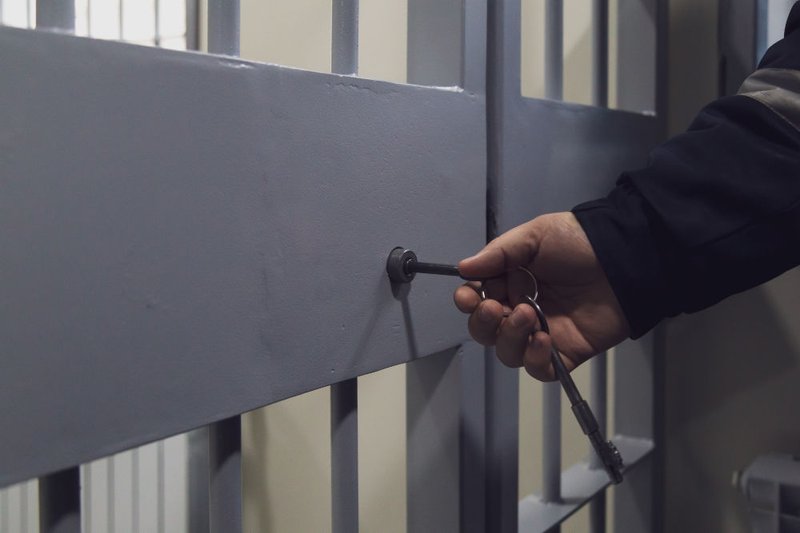
Life Sentences and Imprisonment in Canada: How Life Imprisonment Really Works Under Canadian Law
Rate this article
5
votes —
5.0
Updated:
1 week ago
Views:
378739
Life imprisonment is the most severe punishment available under Canadian criminal law. However, contrary to widespread public belief, a life sentence in Canada does not automatically mean that an individual will spend the rest of their natural life in prison. Instead, life imprisonment operates within a legal framework that balances punishment, public safety, rehabilitation, and constitutional protections against cruel and unusual punishment.
Over the past decade, and particularly following key Supreme Court of Canada rulings, the meaning and application of life sentences have evolved significantly. This has led to ongoing public confusion — especially when high-profile offenders serving life sentences become eligible for parole or are released under strict supervision.
This article provides a comprehensive and up-to-date explanation of life imprisonment in Canada, grounded in the Criminal Code of Canada, relevant jurisprudence, and current correctional practice. It explains which offences carry life sentences, how parole eligibility works, the impact of Supreme Court decisions, and why some individuals may never be released despite being eligible for parole.
What Is a Life Sentence Under the Criminal Code of Canada?
Under Canadian law, a life sentence is a sentence of indeterminate duration that legally continues until the offender’s death. The statutory basis for life imprisonment is found primarily in
section 745 of the Criminal Code
, along with offence-specific sentencing provisions throughout the Code.
Importantly, a life sentence has two distinct components:
The sentence itself, which lasts for the offender’s lifetime
A parole ineligibility period, which determines when the offender may first apply for parole
Even if parole is granted, the life sentence never ends. The offender remains under the authority of Correctional Service Canada and the Parole Board of Canada for life.
A conviction for first-degree murder requires the imposition of life imprisonment with no parole eligibility for 25 years. First-degree murder includes:
Planned and deliberate killings
Murders of police officers or correctional staff
Murders committed during specific serious offences (e.g., kidnapping, sexual assault)
2. Second-Degree Murder
Criminal Code, s. 235(1)
Second-degree murder also carries mandatory life imprisonment. However, the sentencing judge sets the parole ineligibility at 10 to 25 years, based on aggravating and mitigating factors.
High treason convictions result in mandatory life imprisonment with parole eligibility after 25 years.
Discretionary Life Sentences: When Judges May Impose Life Imprisonment
For several serious offences, the Criminal Code authorizes, but does not require, life imprisonment. In these cases, judges must assess the gravity of the offence, the offender’s moral culpability, and public safety concerns.
Offences that may result in discretionary life sentences include:
Large-scale drug trafficking or production under the Controlled Drugs and Substances Act
In these cases, parole eligibility is often set at seven years, unless otherwise specified.
Does Life Imprisonment Mean Life Behind Bars?
The short answer is no — but the full answer is more complex.
Life imprisonment in Canada means life-long accountability, not necessarily lifelong incarceration. The parole system allows offenders to apply for conditional release once they have served the required parole ineligibility period.
Parole Eligibility for Life Sentences: A Legal Breakdown
Parole eligibility rules are governed primarily by section 745 of the Criminal Code and the Corrections and Conditional Release Act.
Parole Eligibility Timelines
Sentence Type
First Parole Eligibility
First-degree murder
25 years
Second-degree murder
10–25 years (judge-set)
High treason
25 years
Other life sentences
Typically 7 years
Even once eligible, offenders must satisfy the Parole Board that their release would not present an undue risk to society.
Parole Does Not End a Life Sentence
Parole is legally defined as a change in how a sentence is served, not a reduction of the sentence itself. This distinction is critical.
Under
section 128
of the Corrections and Conditional Release Act, individuals serving life sentences remain under supervision for the rest of their lives. Parole conditions may include:
Residency restrictions
Electronic monitoring
Mandatory treatment or counselling
Curfews
Prohibitions on contact or travel
Any breach may result in immediate suspension or revocation and a return to custody.
Supreme Court of Canada: Ending “Life Without Parole”
In R. v. Bissonnette, 2022 SCC 23, the Supreme Court of Canada fundamentally reshaped life sentencing law.
What Was Struck Down?
Section 745.51 of the Criminal Code previously allowed judges to impose consecutive parole ineligibility periods for multiple murders — effectively creating sentences of 50, 75, or even 150 years before parole eligibility.
The Court ruled this unconstitutional, finding that:
It violated section 12 of the Charter (cruel and unusual punishment)
It removed any realistic possibility of rehabilitation
It offended principles of human dignity
As a result, all offenders — regardless of the number of murders — may apply for parole after 25 years.
Dangerous Offender Designation: A Different Path to Indefinite Incarceration
Ironically, some offenders face a harsher reality through dangerous offender designations under Part XXIV of the Criminal Code.
Statistics consistently show that approximately 95% of dangerous offenders remain incarcerated, compared to roughly 60–65% of individuals serving life sentences.
Why Many Lifers Are Never Released
Despite parole eligibility, many individuals serving life sentences remain incarcerated for decades — or for life — due to:
Ongoing risk assessments
Failure to demonstrate insight or remorse
Institutional misconduct
Psychological evaluations indicating continued danger
Parole Board decisions are conservative and evidence-driven, prioritizing public safety above all else.
Life Sentences and Public Perception
Public concern often arises when individuals convicted of serious crimes are granted parole. However, parole decisions reflect:
Years of institutional observation
Expert risk assessments
Gradual, supervised reintegration
Release does not mean absolution — it means continued control and monitoring.
“When a potential life sentence is on the table, early strategic defence work can fundamentally alter the outcome of a case.”
—
Jeff Mass, Criminal Defence Lawyer
The criminal defence lawyers
at Mass Tsang bring over 30 years of experience defending Canada’s most serious criminal charges. If you are facing allegations with life-altering consequences, obtaining experienced legal counsel at the earliest stage is essential.
Schedule a confidential consultation with Mass Tsang today.
Frequently Asked Questions About Life Sentences in Canada
Does a life sentence in Canada mean life in prison?
No. A life sentence means lifelong accountability, but not necessarily lifelong incarceration. Most individuals become eligible to apply for parole after a fixed period, usually 25 years.
When can someone serving a life sentence apply for parole?
Parole eligibility depends on the offence. For first-degree murder and high treason, eligibility begins after 25 years. For second-degree murder, it ranges from 10 to 25 years. Other life sentences may allow eligibility after seven years.
Does parole mean the sentence is over?
No. Parole changes how a sentence is served but does not end it. Individuals serving life sentences remain under supervision for life and can be returned to prison if they breach the conditions of their sentence.
Can parole be denied even after eligibility?
Yes. Parole is discretionary. The Parole Board of Canada may deny release if the offender is deemed to pose an undue risk to public safety.
Is “life without parole” legal in Canada?
No. In 2022, the Supreme Court of Canada ruled that consecutive parole ineligibility periods for multiple murders are unconstitutional. All offenders may apply for parole after 25 years.
What is the difference between a life sentence and a dangerous offender designation?
A life sentence includes parole eligibility. A dangerous offender designation results in an indeterminate sentence, with no fixed release date and a much lower likelihood of parole.