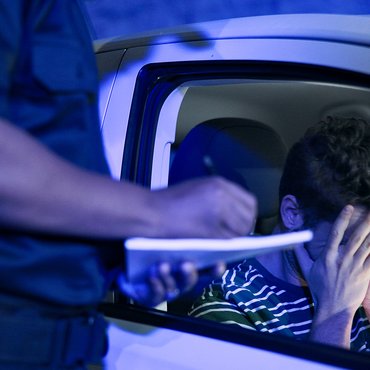
First Offence DUI in Ontario: What the Charge Means and What Happens Next
Rate this article
1
votes —
5.0
Updated:
5 hours ago
Views:
12
A first offence DUI in Ontario usually means a charge under the Criminal Code's impaired driving, Over 80, drug-related, or refusal provisions, with no earlier conviction for one of those same offences. The charge sets two separate processes in motion at once: an immediate provincial licence suspension handled through the Ministry of Transportation, and a criminal case that moves through the Ontario Court of Justice. What a specific case could mean for a fine, a longer suspension, or in rarer cases jail depends heavily on the facts of the stop, the evidence the Crown can prove, and how the file is handled from the first court date onward.
A first offence DUI charge can arise from impaired operation, an Over 80 reading, a drug-related reading, or refusing or failing to provide a sample; "first offence" generally means no earlier conviction for one of these offences.
Two tracks run at the same time
: an administrative licence suspension through the Ministry of Transportation, and a criminal case in the Ontario Court of Justice.
A first offence conviction carries a
mandatory minimum fine
(at least $1,000, more at higher blood alcohol readings), a
minimum one-year driving prohibition
, and a
mandatory ignition interlock
condition.
Jail is legally possible on a first offence, but the Criminal Code's
mandatory minimum jail terms only start at a second offence
; most first-offence cases without aggravating factors are sentenced differently, and every case depends on its facts.
Ontario's mandatory
Back on Track
program has to be completed before a suspended licence is reinstated, and an ignition interlock condition follows a conviction.
Speaking with defence counsel before your first court date, rather than after, generally gives a lawyer more room to review the evidence.
"DUI" is not itself a Criminal Code term. In Ontario, the label is shorthand for charges under the Criminal Code's conveyance offences: operating a vehicle while impaired to any degree by alcohol or a drug, having a blood alcohol concentration of 80 mg or more per 100 mL of blood within two hours of driving ("Over 80"), exceeding a prescribed drug concentration, or failing or refusing to comply with a breath, blood, or physical coordination demand from police. A "first offence" generally means the person has no earlier conviction for one of these same offences. It does not erase a person's other record, and it does not decide, on its own, how a specific case will be resolved.
Impaired Driving, Over 80, and Related Charges
Impaired operation focuses on whether a person's ability to drive was impaired to any degree by alcohol or a drug. An Over 80 charge instead focuses on a measured reading, a blood alcohol concentration at or above 80 mg per 100 mL of blood. A separate charge applies to exceeding a prescribed drug concentration, and another to combined alcohol and drug levels. These are legally distinct offences under the Criminal Code, and more than one can be laid from a single stop.
A common misconception among people charged only with Over 80 is that it matters whether they slurred their speech or looked intoxicated. Evan Sinclair, a criminal defence lawyer at Mass Tsang, explains the difference:
“It's relevant to impaired driving, but the charge of over 80 is just... what does your blood say? How much alcohol is in your blood?”
Evan Sinclair, criminal defence lawyer, Mass Tsang LLP
First Offence vs Prior Convictions
Prior convictions matter because the Criminal Code sets escalating mandatory minimums for a second offence and each offence after that, including mandatory jail time that does not apply on a true first offence. Whether an older conviction, or one from another province, counts as a "prior" for sentencing purposes is a fact-specific legal question, and one worth raising with counsel early rather than assuming.
Two Tracks: Ontario Licence Rules and the Criminal Case
A DUI-type stop in Ontario can set two separate processes in motion. The first is administrative: the Ministry of Transportation can suspend a licence immediately at the roadside under the Highway Traffic Act, based on the officer's demand and the result, without waiting for a conviction. The second is criminal: the charge itself proceeds through the Ontario Court of Justice, where guilt has to be proved or admitted before a criminal penalty applies. These two tracks run on different rules and different timelines, and a roadside suspension is not the same thing as a conviction. Because the two tracks interact in ways that are easy to misread, speaking with an
Ontario DUI defence lawyer
early can help clarify which track affects what, and when.
What Happens After a First DUI Charge
Every case differs, but a typical sequence after a roadside stop can include a breath, blood, or physical coordination demand; arrest if the officer has reasonable grounds; and processing at a police station. Depending on the detachment and the result, a person is often released on a document such as an appearance notice or undertaking that sets out release conditions and a first court date, though the same facts can lead to a bail hearing in some cases. The first court date is typically administrative and gives defence counsel a chance to request disclosure, the evidence the Crown intends to rely on, before any decision is made about how to proceed.
Most people charged with a first offence have never been through the court process, and that shapes the first conversation with a lawyer. Evan Sinclair describes where that conversation usually starts:
“Most of the time it's their first time. They don't understand what a court appearance is versus a trial, right? [...] Setting their expectations for [how] this is going to go in terms of the life of a normal file is usually the first thing that I will talk with them about.”
Evan Sinclair, criminal defence lawyer, Mass Tsang LLP
Licence and Vehicle Steps Early On
Ontario applies
immediate roadside licence suspensions
that are separate from the criminal case: a shorter suspension in the "warn range" (a blood alcohol concentration of 0.05 to 0.079), and a 90-day immediate suspension where the result is in the criminal range, a sample is refused, or a physical coordination test is failed. A vehicle can also be impounded at the roadside, with towing and storage costs charged to the driver. These administrative steps apply regardless of how the criminal case eventually turns out.
Penalties if Convicted of a First Offence
If a first offence results in a conviction, whether by trial or resolution, the Criminal Code sets
mandatory minimum penalties
a judge cannot go below, alongside maximums that depend on how the Crown proceeds.
Figures above are statutory minimums and maximums, not a prediction for any specific case; an actual sentence depends on the facts.
Situation (first occurrence)
What the law sets as a minimum or maximum
Roadside suspension, warn range (BAC 0.05–0.079)
Seven-day immediate licence suspension
Roadside suspension, Over 80 / fail / refuse
90-day immediate licence suspension
Vehicle impoundment
Seven days; towing and storage billed to the driver
Criminal conviction, standard minimum fine
At least $1,000
Criminal conviction, BAC 120–159 mg%
At least $1,500
Criminal conviction, BAC 160 mg% or higher
At least $2,000
Criminal conviction, driving prohibition
At least one year
Ignition interlock condition
At least one year (may be nine months on the fast-track pathway for offences dated on or after July 1, 2026, if installed within 30 days of reinstatement and program terms are met)
Maximum penalty, indictment
Up to 10 years' imprisonment
Maximum penalty, summary conviction
Fine up to $5,000, up to two years less a day, or both
Fines and Driving Prohibitions
As the table above shows, the minimum fine rises with the blood alcohol reading, and a conviction also carries a mandatory driving prohibition of at least one year, on top of the separate ignition interlock and Back on Track requirements described below.
Jail Risk on a First Offence
Jail is legally available on a first offence, since the maximum on indictment is 10 years, but the Criminal Code's mandatory minimum jail terms only begin at a second offence (30 days) and increase for each offence after that (120 days). Whether a specific first-offence case results in jail, a different form of sentence, or a fine-based sentence depends on the facts, including any aggravating circumstances such as a collision, injury, or a very high reading. How Ontario courts approach sentencing ranges, including
jail time for a DUI in Ontario
, depends on the facts of the case.
Back on Track, Ignition Interlock, and Getting Back on the Road
A Criminal Code impaired driving conviction in Ontario also triggers the province's remedial requirements. The mandatory Back on Track program applies to every driver convicted of an impaired driving offence under the Criminal Code, and the licence stays suspended until the remedial requirements are complete. It involves an assessment and, depending on the result, education or treatment, and it can take several months, so it can help to start as soon as it's required. Separately, Ontario's mandatory
ignition interlock program
requires a device, installed at the driver's cost, for a minimum of one year after a first conviction. For offences dated on or after July 1, 2026, drivers who install the device within 30 days of reinstatement and meet the program's terms may qualify for a nine-month minimum instead. Some first-time and second-time offenders convicted of alcohol-impaired driving, with no drug involvement and no bodily harm or death, may also be able to shorten the suspension through the
Reduced Suspension with Ignition Interlock Conduct Review Program
, which includes starting the remedial measures within three months of sentencing and leasing an interlock device.
Insurance, Travel, and Other Knock-on Effects
A conviction is also likely to affect auto insurance, since insurers generally treat it as a high-risk event and can raise premiums substantially or decline to renew a policy. A criminal record can also affect employment in regulated fields, cross-border travel to the United States, and, in narrower situations, immigration status. These knock-on costs often outlast the criminal case itself.
How First-Offence Cases Are Often Reviewed
Defence counsel reviewing a first-offence file typically looks at how the stop was initiated, whether the demand was made and administered properly, whether disclosure supports the reading or observations relied on, and whether any Charter issues might affect what evidence can be used. Depending on that review, a case can be resolved short of trial, proceed to trial, or in some circumstances be withdrawn; every outcome depends on the specific evidence and is never something that can be promised in advance.
First Days: Practical Steps and Common Mistakes
In the days after a first DUI charge, it generally helps to write down what you remember about the stop while it's fresh; keep every document police gave you, including the appearance notice, undertaking, or promise to appear; note your first court date and any release conditions; and avoid discussing the stop with anyone other than your lawyer, including on social media. A common mistake is assuming a first offence will resolve itself quietly and putting off legal advice until closer to the court date. Another is putting off the Back on Track program, since the licence stays suspended until the remedial requirements are complete.
The station is where a costly mistake can happen before a lawyer is involved. Evan Sinclair's advice to someone who calls from there is direct:
“I'm telling them to 100% provide a breath sample. Don't refuse the breath test because it is harder to defend someone on a refused charge than it is on an impaired charge.”
Evan Sinclair, criminal defence lawyer, Mass Tsang LLP
Conclusion
A first offence DUI charge in Ontario sets two processes in motion at once: an immediate licence suspension and a separate criminal case, and a conviction carries mandatory minimum fines, a driving prohibition, and provincial remedial requirements on top of it. What a specific case may mean for a fine, a longer suspension, or in rarer instances jail depends on the facts, which is why an early review with defence counsel matters. If you're facing a first offence DUI charge in Ontario, a conversation with Mass Tsang's criminal defence team can help you understand the process ahead.
Secure Experienced Criminal Defence with Mass Tsang
Because the roadside process, the disclosure review, and the resolution options in a first-offence case are all fact-specific, speaking with a criminal defence lawyer before your first court date, rather than after, generally gives counsel the most time to review the evidence properly. Mass Tsang's Toronto-based team handles first-offence and repeat impaired driving matters across the Greater Toronto Area and can review the specifics of a charge in a consultation.
Contact us
for a free consultation.
FAQ
It's typically a first-time charge under the Criminal Code's impaired driving, Over 80, drug-related, or refusal provisions, with no earlier conviction for one of those same offences. "DUI" is used informally; the actual charges are laid under the Criminal Code's conveyance offences.
Jail is legally possible on a first offence since the maximum on indictment is 10 years, but the mandatory minimum jail terms in the Criminal Code only start at a second offence. Many first-offence cases without aggravating factors are sentenced differently, though outcomes depend entirely on the facts.
A conviction carries a minimum fine starting at $1,000 (higher at elevated blood alcohol readings), a minimum one-year driving prohibition, and Ontario's separate ignition interlock and Back on Track requirements before a suspended licence can be reinstated.
Often, yes, through an immediate administrative suspension under the Highway Traffic Act, separate from and before any conviction. Ontario applies a shorter suspension in the warn range and a 90-day suspension where the result is in the criminal range or a sample is refused.
A conviction creates a criminal record, which can affect employment, travel to the United States, and other areas of life. A charge on its own does not, but an outstanding charge can appear on a criminal record and judicial matters check while the case is before the court, and withdrawn or stayed charges and acquittals are disclosed only on vulnerable sector checks in narrow circumstances.
Timelines vary by court location, disclosure delays, and how the case is resolved. Straightforward matters may conclude in a few months, while cases involving Charter arguments or trial can take considerably longer. A lawyer reviewing the file early can give a more specific estimate.
That decision should follow a review of the disclosure and evidence, not come before it. Pleading guilty early can close off options before defence counsel has had a chance to check whether the stop, the demand, or the reading can withstand scrutiny.
Bring every document police gave you (appearance notice, undertaking, or promise to appear), any roadside or breath test paperwork, your licence suspension notice, and a written timeline of what you remember about the stop while the details are still fresh.